

Florida Statute
Agricultural Land Classification, commonly referred to as Greenbelt, is a special assessment of land used primarily for bona fide commercial agricultural purposes, as defined by Florida Statute 193.461. This classification allows qualifying land to be assessed based on its agricultural use rather than its market value, potentially reducing the property owner’s tax burden.
Examples of Bona Fide Agricultural Purposes
Pursuant to the statute, agricultural purposes include, but are not limited to, horticulture; floriculture; viticulture; forestry; dairy; livestock; poultry; bee; pisciculture, if the land is used principally for the production of tropical fish; aquaculture; algaculture; sod farming; and all forms of farm products and farm production. Agricultural purposes also include qualifying compost derived entirely from agricultural activity, as provided by Florida law.
Requirements and Application Process
To qualify for Agricultural Classification, the property must be used primarily for bona fide commercial agricultural purposes. Pursuant to Florida Administrative Code 12D-5.001(2), the agricultural operation must be conducted in good faith with a reasonable expectation of recovering investment costs and generating a reasonable profit. Properties used primarily for personal enjoyment, recreational activities, or hobby farming do not qualify. Each property is evaluated individually to determine whether the agricultural use meets the established requirements.
Property owners seeking Agricultural Classification must submit an application (DR-482) to the St. Johns County Property Appraiser’s Office by March 1 of the year for which they are applying. The property must be in qualifying agricultural use as of January 1. Applicants are required to provide supporting documentation demonstrating the bona fide commercial nature of their agricultural operation. Depending on the type of agricultural use, this documentation may include financial records establishing commercial activity, a farm management plan or, for forestry operations, a timber management plan prepared by a consulting forester, and applicable agricultural lease agreements. Additional documentation may be requested as necessary to determine eligibility. Each application is reviewed individually, and a property inspection is conducted to determine whether the land qualifies for the classification.
Annual Review Process
All properties receiving Agricultural Classification are reviewed annually to ensure continued compliance using aerial imagery to verify that the agricultural use remains consistent with the approved classification. When a determination cannot be made through aerial imagery, periodic field inspections are conducted. If previously submitted documentation is outdated or inconsistent with the property’s current use, then updated supporting documentation may be requested. Properties that no longer meet the requirements for Agricultural Classification may have their classification modified or removed.
Key Facts
Agricultural classification is not agricultural zoning.
The classification, used by our office, is a special-use appraisal valuation. The zoning, regulated by local government, controls the allowable land use.
Agricultural classification is not an exemption.
The classification can, however, lower the assessed value of land and consequently the amount of taxes owed.
Agricultural classification is not transferrable.
If the new property owner wants the land to remain classified as agricultural land, then they need to apply for the classification through our office.
By the Numbers
1,668
Agricultural Classified Parcels
129,847
Agricultural Classified Acres
79%
Timber 102,964 Acres
13%
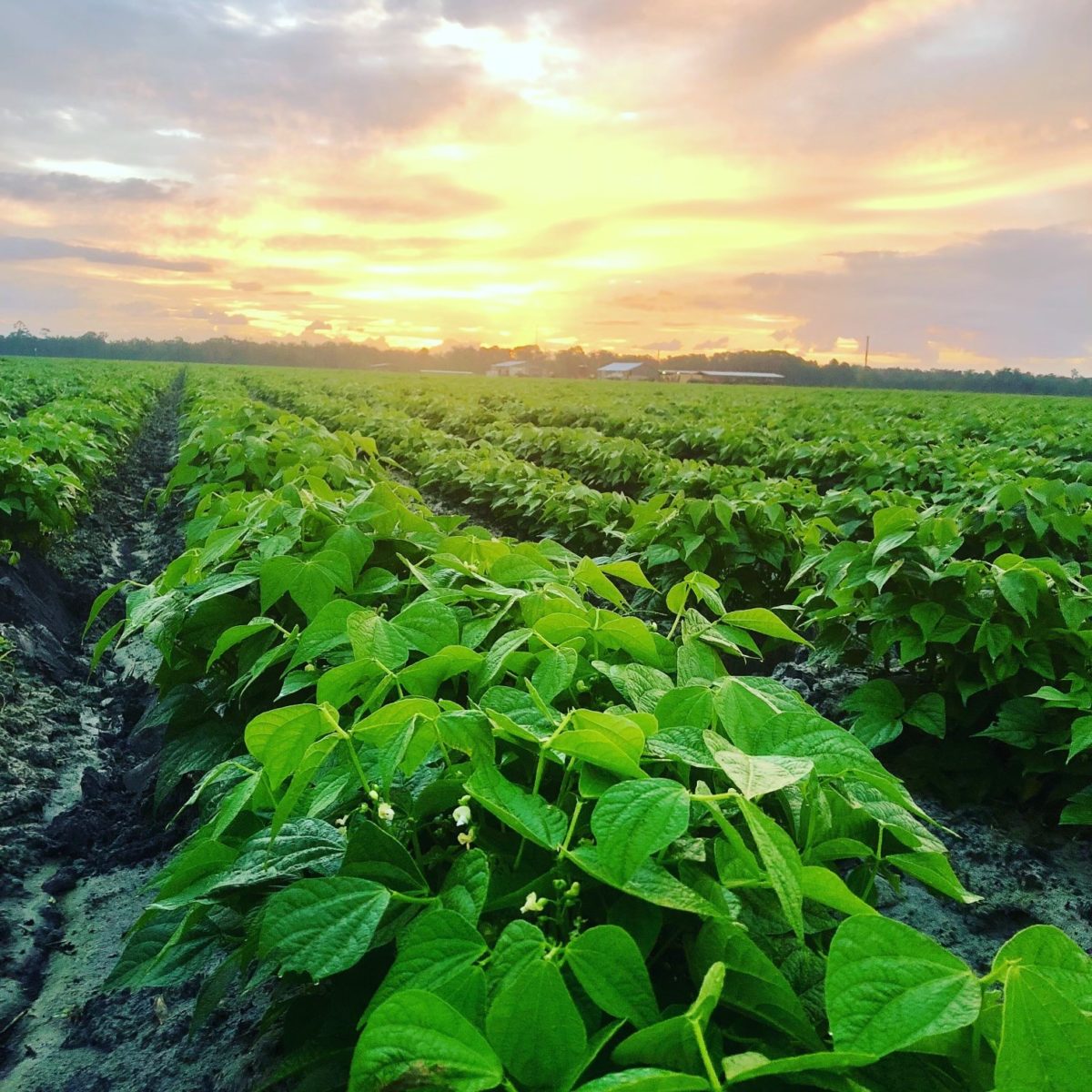
Row Crop 17,579 Acres
4%
Pasture
4,931
Acres
3%
Sod
3,435
Acres
1%
Other
938
Acres